The Technology That Keeps Me Alive
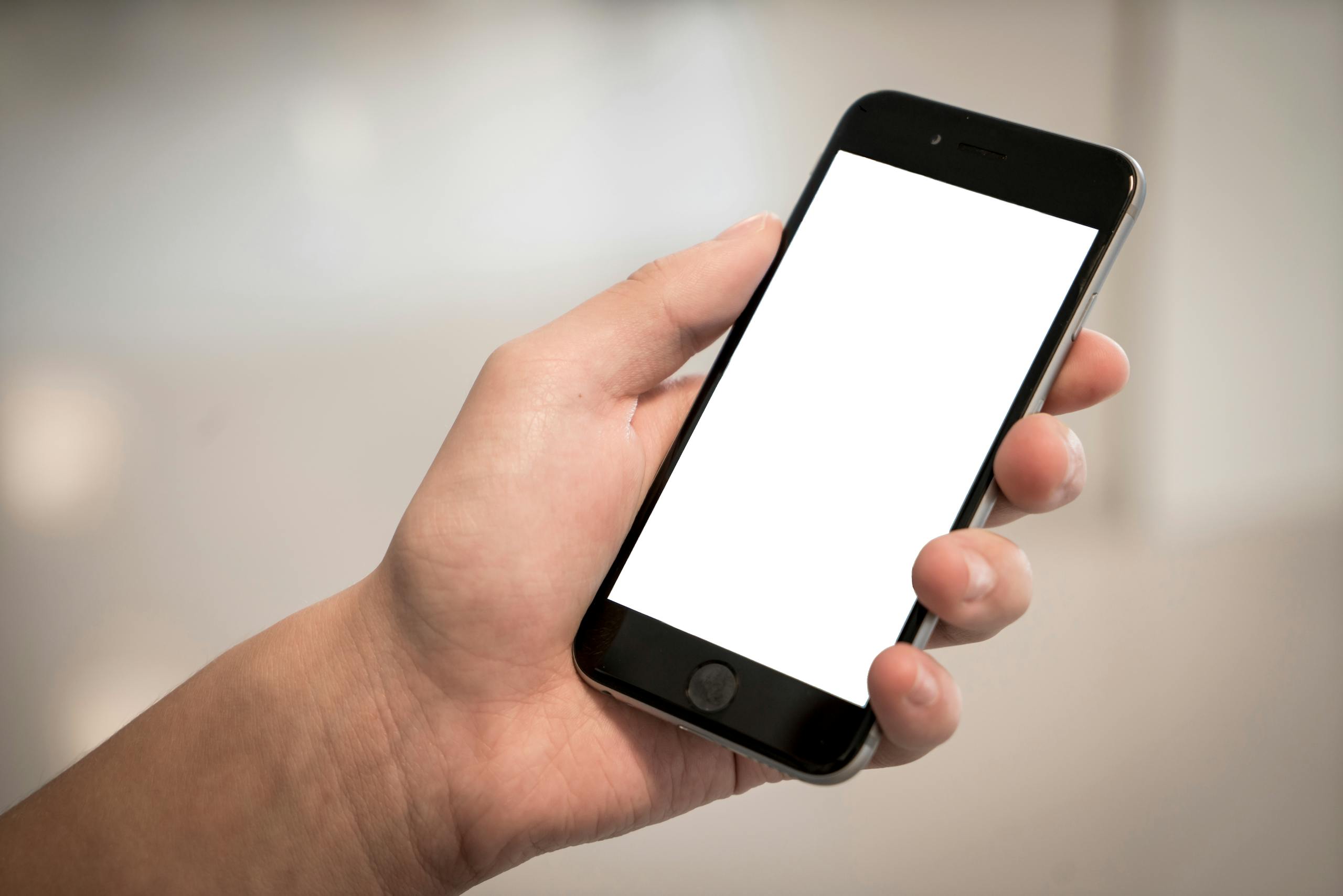
Last week I got a new phone, not because I have to have the latest and greatest tech, but because I’m a diabetic. I never imagined my phone choice would one day be tied directly to my survival… but here we are.
I’ve always been an Android girl — Google Calendar, Google Docs, Gmail, all the Google things — it just worked for my brain. Then I became a diabetic and learned that iOS is just better at integrating with medical devices. So I was forced into being an iPhone girl who has to have the biggest operating system with the best battery life.
If you live with diabetes, you know how much technology is involved in staying alive. I am incredibly thankful for it, and it makes managing diabetes so much easier than it used to be, but it is expensive and makes me feel high-maintenance.
The electronics that keep diabetics alive
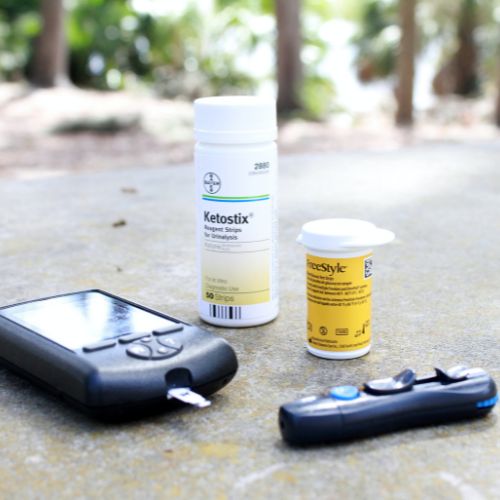
At one point in my diabetes journey, I was carrying what felt like an entire electronics store in my bag.
The insulin pump requires a PDM (personal diabetes manager). It’s a handheld device. Some pumps are tubed and clipped to your pants. Mine is tubeless, but it still requires a separate device to control it.
My CGM (continuous glucose monitor) also comes with its own reader, which looks suspiciously like… another phone.
At one point, I was walking around with my actual cell phone, my pump PDM, and my CGM reader
Three devices. All phone-sized.
It embarrassed me to pull it all out at a restaurant. People probably thought I was unhinged and wondered, “Why does this girl have so many phones?!” The general public has no idea how many devices it takes to keep a diabetic functioning.
Now all that technology lives on my phone
First, my CGM, then eventually my pump, integrated with the iOS system and works as an artificial pancreas from my phone. So I not only switched to the iPhone, but I had to get the best iPhone available.
Because battery life suddenly matters a whole lot.
I don’t care about bells and whistles. I don’t care about the newest features. I just need a reliable phone that will keep me alive. If my phone goes down, my diabetes management goes down with it.
When your phone is essentially your artificial pancreas controller, “unreliable” is not an option.
Rebuilding My Entire Diabetes System
Recently, I had to upgrade again because my phone was becoming unreliable. After downloading all the diabetes apps and remembering all my passwords, I got to re-enter every single pump setting.
Quick diabetes crash course:
- Basal insulin: insulin delivered throughout the day in regular intervals and based on current glucose levels
- Bolus insulin: insulin taken for food
- Insulin-to-carb ratios
- Correction factors
- Target glucose ranges
There are a lot of variables. And they all matter.
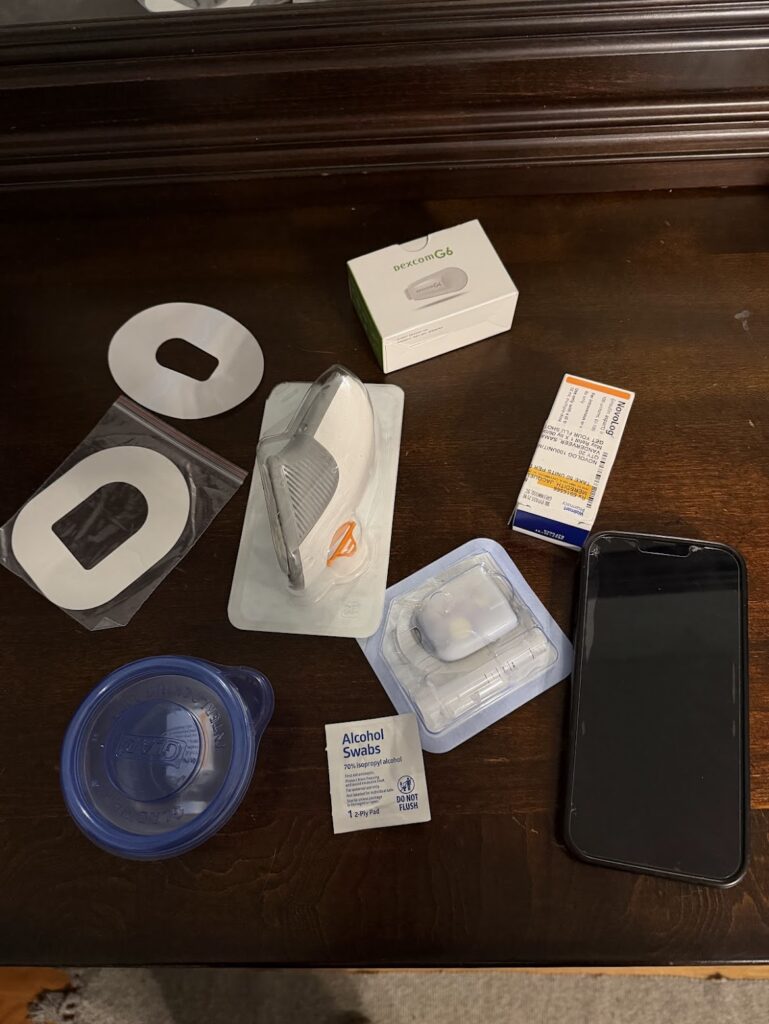
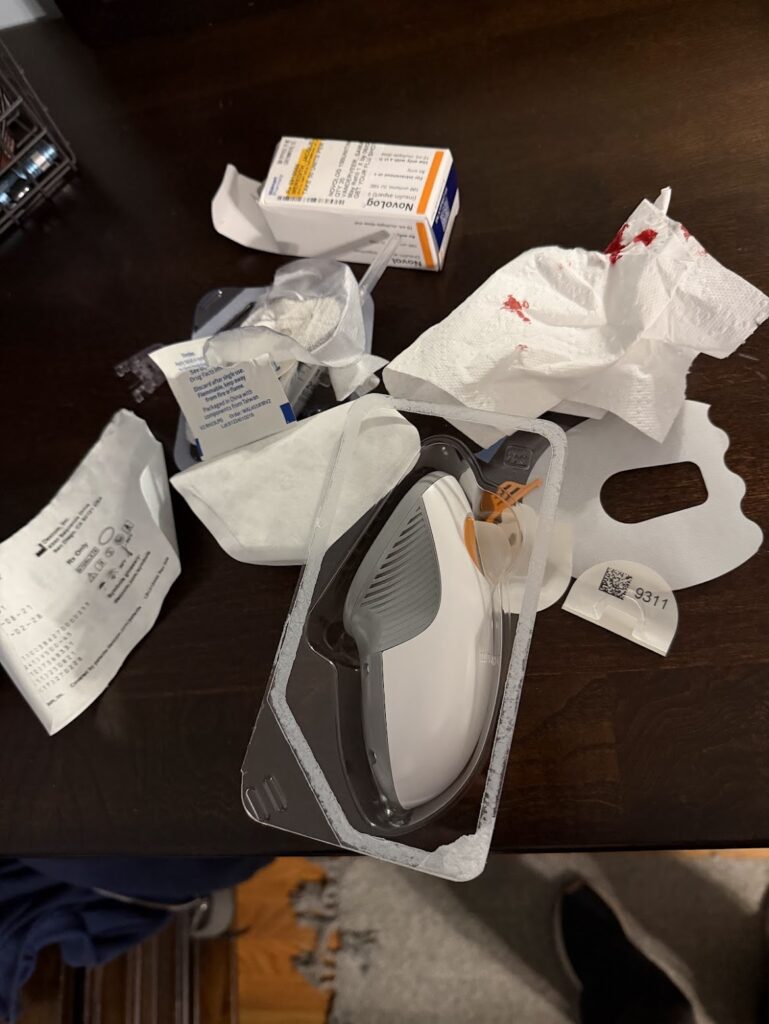
Once the settings were entered, I had to deactivate my current pump and CGM and activate new ones. That meant setting up a brand-new pump and sensor while praying it would all seamlessly sync to Bluetooth.
Thankfully, my pump and CGM were expiring the same day, so I didn’t have to waste supplies by changing them early.
All in, it took about an hour to get everything fully connected and working again.
Below are a few pictures of the before-and-after chaos involved in setting up a new phone as a diabetic. Just another day in the life powered by technology, patience, and a whole lot of Bluetooth.