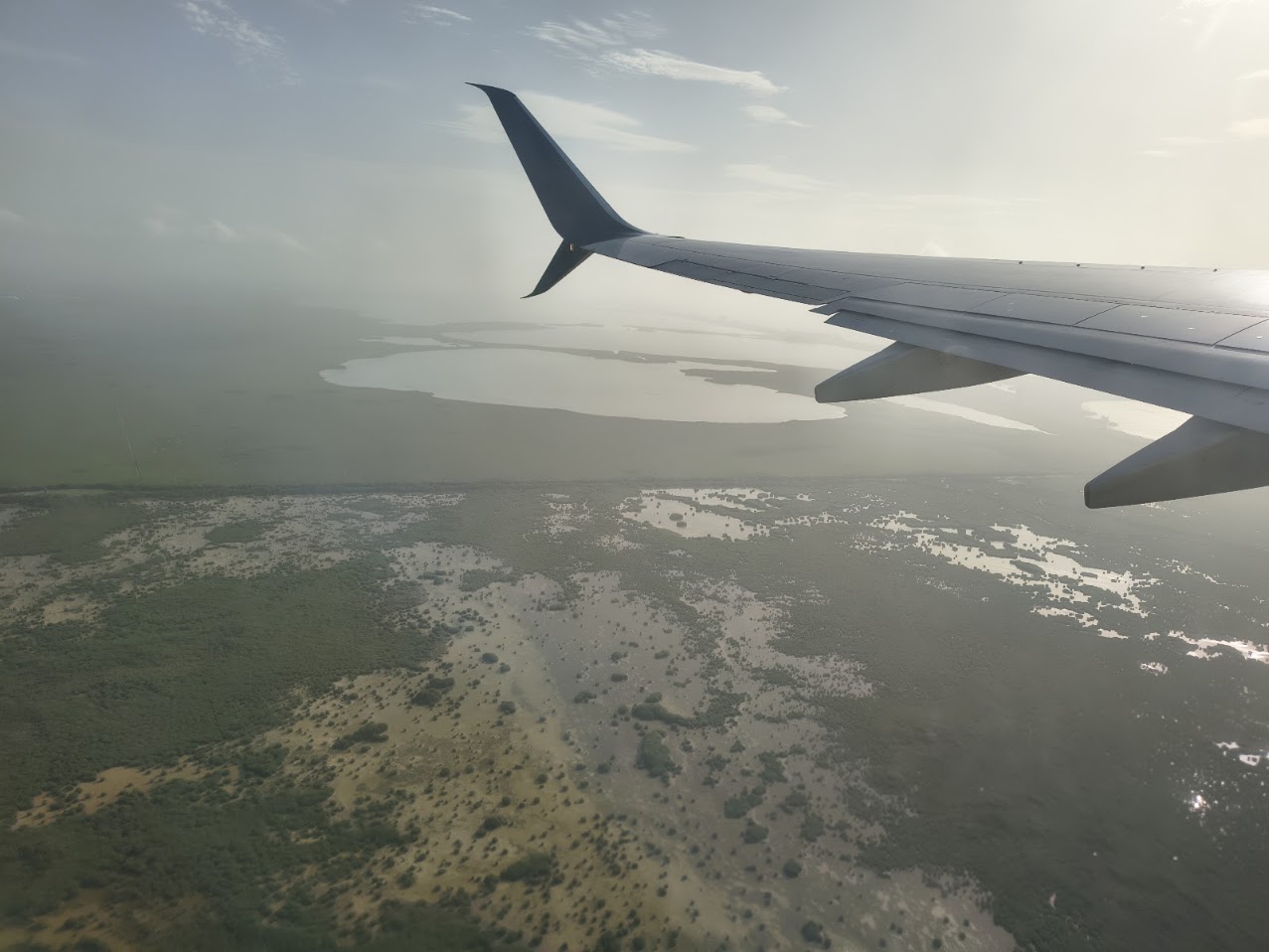
Traveling with Type 1 Diabetes
Traveling doesn’t feel the same anymore. The first flight I took after my diagnosis ended in a full-blown panic attack. I’ve learned to prepare a little better.
For our 20th wedding anniversary, Ben and I celebrated with an all-inclusive trip to a beach in Mexico. It was absolutely wonderful, but also a reminder that I can’t ever take a vacation from diabetes.
Packing for Survival, Not Just a Vacation
I’m an overpacker by nature, always have been. But when it comes to diabetes supplies, I don’t apologize for overpacking.
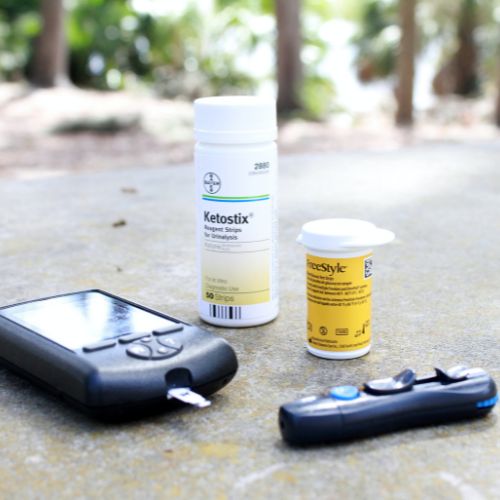
I pack…
- Extra insulin
- Extra pump supplies
- Extra CGMs
- Extra chargers
- Extra batteries
- Extra test strips
- Extra BG reader
Because if something fails, breaks, gets lost, or doesn’t work, there isn’t a convenient backup plan. These aren’t accessories. They’re life-saving equipment. Redundancy isn’t optional, so much as survival.
I pack for everything that could affect my blood sugar:
- Time zone changes
- Altitude
- Heat
- Sunburn
- Walking miles around a resort
- Not walking enough
- Swimming
- Eating differently
- Sleeping too much
- Not sleeping enough
- Not drinking enough
- Drinking too much
Every one of those things can send my blood sugar in a different direction. It is mentally exhausting.
The Perk I Never Wanted
One unexpected benefit of having Type 1 diabetes is that I qualify to board airplanes early because the ADA recognizes Type 1 diabetes as a disability.
I don’t love using this privilege.
When they call for passengers needing extra assistance or those with disabilities, I don’t exactly picture myself. I don’t “look disabled.” But Type 1 diabetes is considered a disability for good reason.
My carry-on isn’t filled with entertainment for the flight. It’s filled with everything I need to stay alive. On our very first flight, the gate agent announced that the plane was full and asked for volunteers to check their carry-on bags.
My heart immediately sank.
Every single one of my diabetes supplies was in that bag. There was no way I could risk being separated from it. So when they called for passengers with disabilities to board first, I got in line.
Did people stare and silently judge me? Probably.
But their opinions don’t matter. Getting my medical supplies safely onto that plane mattered far more.
On our flight home, my insulin pump ran out of insulin just before boarding. Because we boarded early, I had enough time to sit down and change my pump site before the rest of the passengers boarded.
That alone made boarding early worth it.
Airport Security Is Never Simple
Even with TSA PreCheck, I expect my bag to be searched.
Every.
Single.
Time.
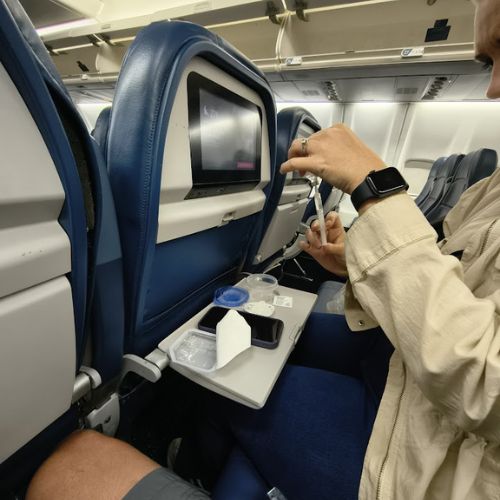
I travel with insulin, needles, pump supplies, CGMs, juice, ice packs, etc. Security almost always wants to inspect something.
I could simplify this a little by tossing my juice before security and buying more on the other side, but who wants to spend that kind of money in an airport? Diabetes gets enough of my money.
This trip, I bought bright red luggage tags that clearly identify my bag as containing diabetic medical supplies. I also added a medical sticker to my phone because my phone keeps me alive.
If my phone were lost or stolen, it wouldn’t just be inconvenient. It could become a medical emergency.
What You Don’t See in the Vacation Photos
Once we arrived at the resort, the first thing I did was unpack my diabetes supplies, organize them, and put my insulin in the mini fridge.
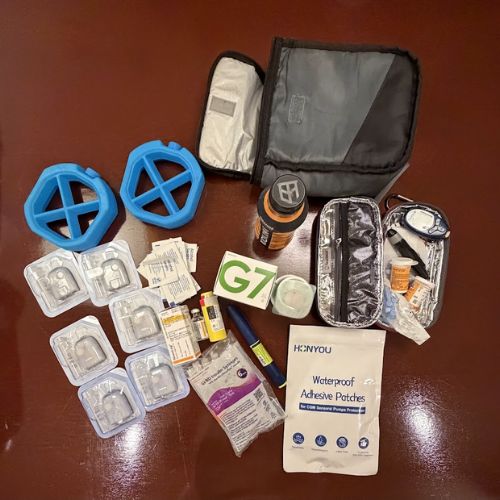
Those little ice packs were pretty tricky. Before the trek back home, I needed a way to refreeze them in order to keep my insulin cold. The resort staff kindly stored it in one of their freezers overnight.
The next morning, though, it took about 30 minutes to track it down. Thankfully, they found it just in time before we left for the airport.
Worst-case scenario, I could have left without it and replaced the vial of insulin if it became too warm, but insulin isn’t cheap (I pay roughly $60 per vial), and I’d rather not throw any of it away if I can help it.
Grateful for the Accommodations and Valium
Since being diagnosed with Type 1 diabetes, I’ve found that valium helps when traveling. The mental load of traveling with this disease really takes it out of me. So I make sure I have a little something to take the edge off and a good travel buddy.
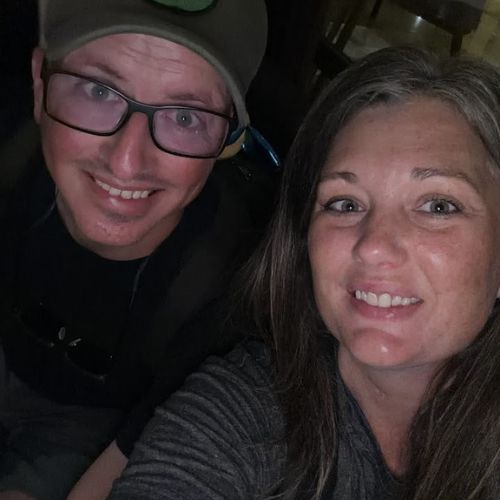
I don’t enjoy having a disability. I wish I didn’t need accommodations. I wish I didn’t have to carry a backpack full of medical equipment everywhere I go.
But I am genuinely thankful for the people, policies, and accommodations that make traveling possible.
Boarding early.
Medical exceptions at security.
Helpful TSA agents.
Kind resort employees willing to freeze an ice pack.
Doctors who help me prepare.
The technology that keeps me alive.
None of those things erase the challenges of living with Type 1 diabetes, but they do make traveling a little less overwhelming.
And for that, I’m incredibly grateful.