When Pain Management Became My Full-Time Job
My Neck Surgery, Type 1 Diabetes, and Seven Very Long Weeks
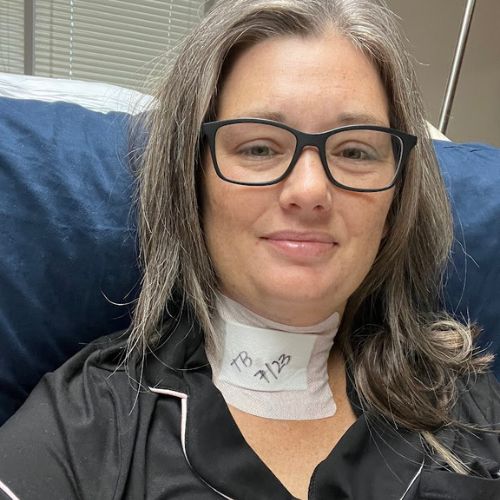
A little over a year ago, I had neck surgery. I could have sworn I’d already written about it, but apparently I never did. So here we are.
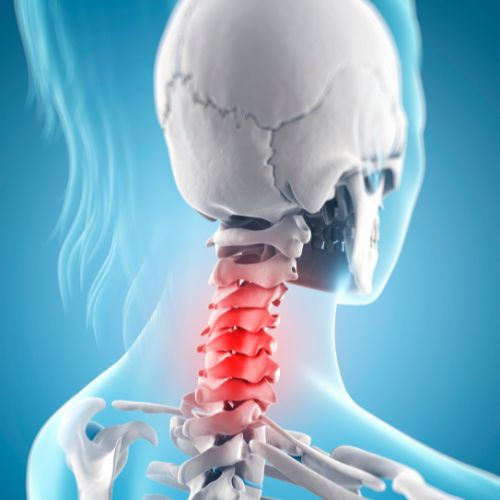
I had an artificial disc replacement at C5-C6 after a herniated disc left me with severe nerve pain, weakness, and numbness in my left arm.
It all started on Mother’s Day 2025. I woke up that morning and could barely move my neck. At first, I thought maybe I’d just slept wrong. I tried stretching, resting, ice, heat…all the things, and for two weeks, I convinced myself I could fix it, but I didn’t. Reluctantly, I called my doctor and started the relentless pursuit to feel better. Every morning I woke up with one goal:
How can I manage the pain enough to get through today?
Just survive the day and be as present as possible.
Living with the Pain
The nerve pain shot from my neck into my shoulder blade and all the way down my left arm. My muscles stayed constantly tight, trying to protect an injury they couldn’t fix. Constant pain.
I am incredibly thankful that my pain was temporary and I had a way out of the all-consuming physical and mental exhaustion. I know some people live with chronic pain with no fix. I can’t imagine.
The nerve pain alone was miserable, but losing strength in my left arm scared me. I couldn’t comfortably lift a coffee mug. A frying pan felt heavy. My left arm simply wasn’t working the way it should.
The MRI confirmed what I suspected: a herniated disc.
When I met with the neurosurgeon, he explained that without surgery, I would never fully regain full function of my arm.
That wasn’t a risk I was willing to take.
Steroids and Type 1 Diabetes Don’t Mix Well
But first, we had to jump through all the health insurance hoops before surgery.
- Pain medication
- Gabapentin/Lyrica
- Steroids
- Physical Therapy
I was unaware of how drastically steroids affected blood sugars. My blood sugars went through the roof. No amount of insulin or exercise helped.
High blood sugar creates extreme exhaustion and brain fog. It feels like you’re walking through wet concrete. Everything takes more effort. All of your organs suffer.
I burned through insulin faster than ever before.
I had to call my endocrinologist to increase my prescriptions because I simply wasn’t carrying enough supplies to keep up.
I had to choose between excruciating nerve pain and high blood sugars. I landed somewhere in the middle. The steroids helped to ease the pain initially, then I focused on lifestyle changes and ways to cope until surgery.
Waiting Was the Hardest Part
When I finally met with the surgeon, I was ready.
Let’s fix this.
Instead, I learned the first available surgery date was six weeks away and then postponed to a later date because emergency surgeries understandably took priority.
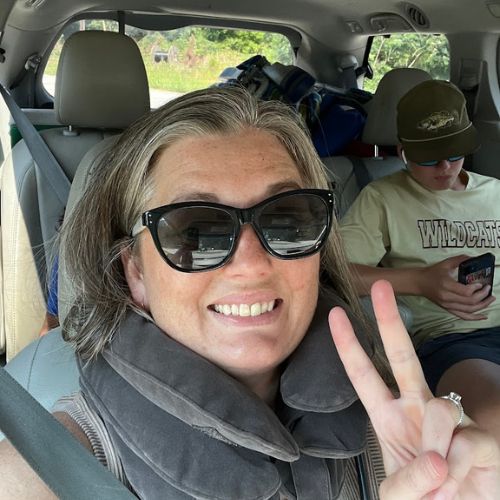
I knew other people needed the operating room more urgently than I did, but that didn’t make the waiting any easier. For those seven weeks, I lived carefully. Every movement felt calculated.
I worried about making one wrong turn or one awkward movement that would make the pain worse. Some days I had three or four lidocaine patches on at once. I then discovered lidocaine spray.
I started seeing a massage therapist every week to give me some relief so I could function for my family.
Successful Surgery
The surgery relieved the numbness. The shooting nerve pain is gone. The weakness in my arm has resolved.
I still have a little stiffness in my neck, but I’m probably 95% back to normal.
Instead of a spinal fusion, I was able to have an artificial disc replacement, and I’m so grateful that was an option.
Now my goal is recovery and strength.
I want to be strong.
I want to move confidently.
I want to take care of this body God gave me.
It’s a work in progress, but I’m moving in the right direction.
In a later post, I’ll share what it was like actually having surgery as someone with Type 1 diabetes, including my experience in a small-town hospital where Type 1 diabetes isn’t something most healthcare providers see every day.